Trading strategies help traders create structure in a market that can often feel unpredictable. Instead of making decisions based on emotions, traders use strategies to identify opportunities, manage risk, and determine when to enter or exit a trade.
While there are countless trading methods, most fall into two broad categories: trend following and counter-trend trading. One approach aims to profit from established market direction, while the other looks for opportunities when prices may be ready to reverse.
Both strategies are used by retail traders, professional traders, and investment funds across stocks, futures, forex, and cryptocurrency markets. Neither approach is automatically better than the other. Each has strengths, weaknesses, and market conditions where it tends to perform best.
Understanding how these strategies work can help traders choose an approach that aligns with their goals, experience level, and trading style.

What Is Trend Following?
Trend following is a trading approach that focuses on trading in the direction of the current market trend. The idea is simple: if prices are moving higher, traders look for buying opportunities. If prices are moving lower, traders look for selling opportunities.
This strategy is based on the belief that markets often continue moving in the same direction for longer than many people expect. Rather than trying to predict reversals, trend followers attempt to capture a portion of an existing move.
Trend following can be found across nearly every financial market. Commodity trading advisors (CTAs), hedge funds, and institutional traders have used trend-following systems for decades. Some of the largest market trends in history, including major moves in stock indexes, commodities, and currencies, have been traded using trend-following methods.
Traders commonly use tools such as moving averages, trendlines, market structure, and breakout levels to identify trends. For example, if a stock continues making higher highs and higher lows while trading above a major moving average, a trend follower may view that as a sign that the uptrend remains intact.
| Benefit | Why It Matters |
| Trades With Market Momentum | Trend-following traders align themselves with the current direction of the market rather than attempting to predict reversals. |
| Potential for Larger Winning Trades | Strong trends can last for weeks, months, or even longer, allowing traders to capture substantial portions of a move. |
| Easier Market Direction Analysis | Identifying whether a market is trending is often simpler than trying to predict when a trend will end. |
| Works Well in Trending Markets | Financial markets regularly experience sustained bullish and bearish trends driven by economic data, investor sentiment, and institutional participation. |
| Fewer Trading Decisions | Traders focus on following the trend instead of constantly searching for reversal points, which can simplify decision-making. |
| Can Be Applied Across Multiple Markets | Trend-following strategies are commonly used in stocks, futures, forex, commodities, and cryptocurrencies. |
| Suitable for Various Timeframes | The approach can be used by day traders, swing traders, and long-term position traders depending on their objectives. |
| Can Be Systematic and Rule-Based | Many trend-following strategies rely on objective signals such as moving averages, breakouts, and market structure. |
| Helps Reduce Emotional Trading | Trading with the prevailing market direction can make it easier to stay disciplined and avoid fighting momentum. |
| Has Been Used by Professional Traders for Decades | Trend-following strategies have been used by hedge funds, commodity trading advisors (CTAs), and institutional traders across global markets. |
What Is Counter-Trend Trading?
Counter-trend trading is a strategy that attempts to profit from potential reversals or pullbacks against the current market trend. Instead of following price direction, traders look for signs that a trend may be weakening or reaching an exhaustion point.
For example, if a market has been rising for an extended period, a counter-trend trader may look for opportunities to sell if there are signs that buying momentum is fading. Similarly, after a prolonged decline, traders may look for buying opportunities if they believe selling pressure is weakening.
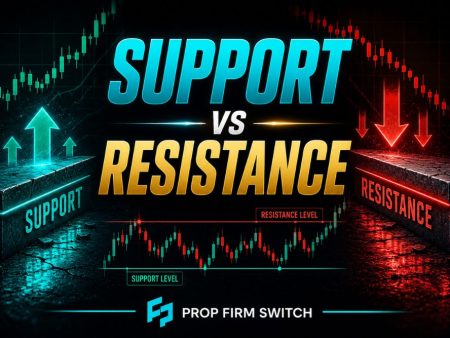
Counter-trend trading often relies on technical tools that help identify overextended market conditions. Common examples include support and resistance levels, the Relative Strength Index (RSI), divergence, and candlestick reversal patterns.
This approach can offer attractive risk-to-reward opportunities because trades are often entered near potential turning points. If a reversal occurs, traders may be able to capture a large move while using relatively tight stop losses.
However, timing is critical. Markets can remain overbought or oversold longer than expected, and strong trends can continue despite signals that suggest a reversal may be approaching.
| Benefit | Why It Matters |
| Earlier Entries | Traders attempt to enter near potential market turning points before a new move develops. |
| Tighter Stop Losses | Entries near support or resistance levels can allow for a smaller risk compared to entering after a large move has already occurred. |
| Attractive Risk-to-Reward Ratios | A successful reversal trade can offer substantial upside relative to the amount risked. |
| More Frequent Trading Opportunities | Pullbacks and short-term reversals occur regularly across stocks, futures, forex, and crypto markets. |
| Works Well in Range-Bound Markets | Markets spend a considerable amount of time moving sideways, creating opportunities near support and resistance zones. |
| Can Capture Trend Reversals Early | Traders may benefit from the start of a new trend rather than joining it later. |
| Useful for Active Traders | Day traders and short-term traders often use counter-trend setups because they can generate more trade opportunities. |
| Flexible Across Multiple Markets | Can be applied to stocks, futures, forex, commodities, and cryptocurrencies. |
| Challenges Strong Consensus | Counter-trend traders look for opportunities where the majority may be positioned in one direction. |
| Helps Identify Exhaustion Points | Technical indicators such as RSI divergence, volume analysis, and reversal patterns can help spot weakening momentum. |
Trend Following vs Counter-Trend Trading
Both approaches aim to profit from market movement, but they differ in how trades are identified, managed, and executed.
The table below highlights the key differences between trend following and counter-trend trading.
| Category | Trend Following | Counter-Trend Trading |
| Trading Direction | Trades in the direction of the prevailing trend | Trades against the prevailing trend in anticipation of a reversal or pullback |
| Primary Objective | Capture a portion of an established trend | Capture reversals, pullbacks, or turning points |
| Typical Entry Style | Enters after trend confirmation through breakouts, moving averages, or market structure | Enters near support, resistance, or signs of trend exhaustion |
| Market Conditions | Performs best in strong trending markets with sustained momentum | Performs best in range-bound markets or when trends appear overextended |
| Risk-to-Reward Potential | Often offers larger reward potential because trends can continue for extended periods | Can offer attractive rewards relative to risk when reversals occur near key levels |
| Win Rate | Often lower because traders may experience multiple small losses before catching a major trend | Can be higher because trades are entered near potential turning points |
| Holding Period | Usually longer, ranging from several days to months | Usually shorter, ranging from minutes to several days |
| Trade Frequency | Typically fewer trades because strong trends do not occur constantly | Typically more trades because pullbacks and reversals occur more frequently |
| Stop-Loss Placement | Often wider to allow room for normal trend fluctuations | Often tighter due to entries near support and resistance levels |
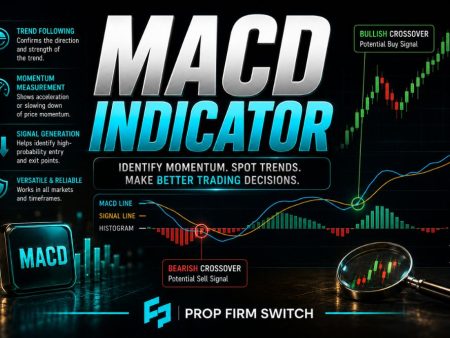
| Common Technical Tools | Moving Averages, Trendlines, Breakouts, Market Structure, MACD | RSI, Divergence, Support and Resistance, Reversal Patterns, Volume Analysis |
| Emotional Challenge | Requires patience to stay in winning trades and avoid exiting too early | Requires discipline to avoid calling reversals too early |
| Learning Curve | Generally easier for beginners to understand and apply | Often more difficult because timing is critical |
| Common Mistake | Chasing a move after most of the trend has already occurred | Fighting a strong trend that continues moving against the trade |
| Suitable For | Beginners, swing traders, position traders, and systematic traders | Experienced traders, active traders, and traders comfortable with reversals |
| Markets Commonly Used | Stocks, futures, forex, commodities, and cryptocurrencies | Stocks, futures, forex, commodities, and cryptocurrencies |
Follow the Trend or Fade It?
Trend following and counter-trend trading are two popular approaches used across stocks, futures, forex, and cryptocurrency markets. Trend following focuses on trading with market momentum and attempting to capture larger directional moves. Counter-trend trading focuses on identifying potential reversals and pullbacks before a new move develops.
Neither strategy is automatically better than the other. Trend following often works best during strong, sustained trends, while counter-trend trading can be effective in range-bound markets or when trends begin to lose momentum.
The most important factor is not choosing the “perfect” strategy but understanding when each approach is most appropriate. Traders who understand market conditions, manage risk effectively, and follow a consistent trading plan are often better positioned for long-term success than those constantly searching for a new strategy.