Futures trading has become increasingly popular among retail and professional traders. According to industry estimates, millions of futures contracts are traded daily across global exchanges, including markets like stock indices, commodities, currencies, and interest rates.
Contracts such as the E-mini S&P 500 and Nasdaq futures are among the most actively traded financial instruments in the world. These markets attract traders because of their high liquidity, leverage opportunities, and nearly 24-hour trading sessions.
However, success in futures trading does not rely solely on strategy or market knowledge. The trading platform a trader uses can significantly affect execution speed, chart analysis, and overall trading efficiency.
Different traders also have different needs. Professional traders may require advanced order flow tools, while beginner traders often prefer platforms with simpler interfaces and easy-to-use features.
In this guide, we’ll explore some of the best trading platforms for futures traders in 2026, highlighting their features and helping you determine which platform may best suit your trading style.
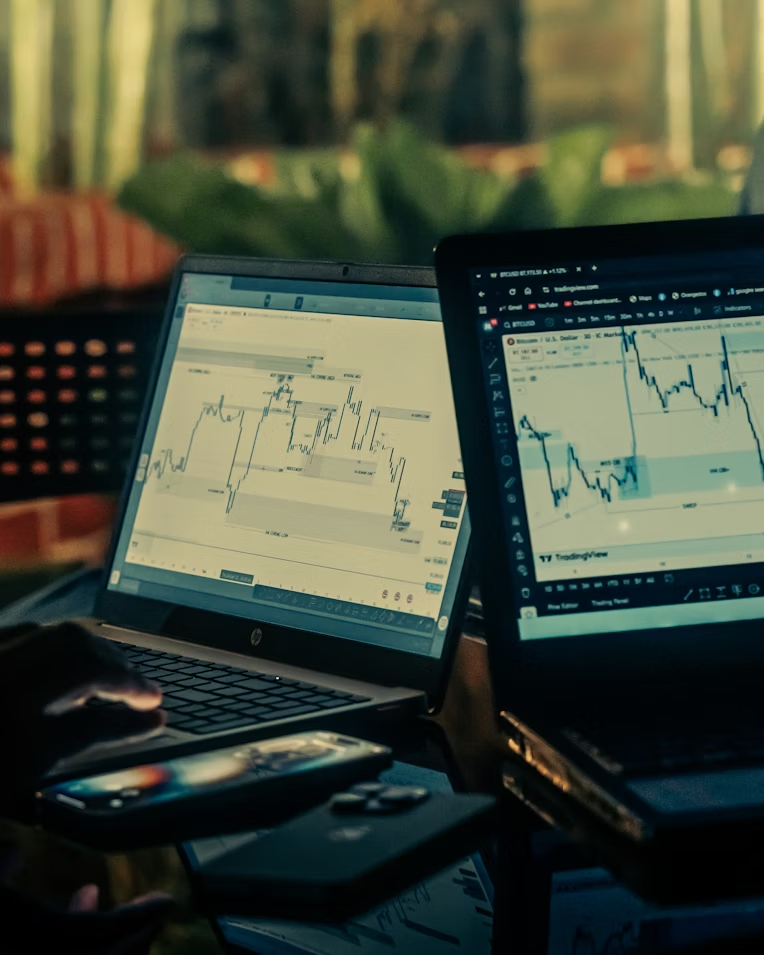
What Makes a Good Futures Trading Platform?
Before choosing a trading platform, it is important to understand what features make a platform suitable for futures trading. Because futures markets can move quickly, traders rely heavily on their platforms for analysis and execution.
Here are some key factors to consider when evaluating a futures trading platform.
-
Execution Speed
Fast and reliable execution is essential for futures traders, especially for those who engage in day trading or scalping strategies. A platform with slow execution can result in missed opportunities or unfavorable entry prices.
-
Advanced Charting Tools
Chart analysis plays a major role in futures trading. A good platform should provide:
- Multiple chart types
- Technical indicators
- Drawing tools
- Customizable layouts
These tools allow traders to analyze price action and identify potential trading opportunities.
-
Market Data and Order Flow
Many experienced futures traders rely on market depth and order flow data to understand supply and demand in the market. Platforms that provide access to these tools can offer a deeper view of market activity.
-
Customization and Automation
Some platforms allow traders to customize indicators, layouts, and even create automated strategies. This is especially useful for professional or algorithmic traders.
-
Accessibility and Device Compatibility
Modern trading platforms should allow traders to access their accounts from multiple devices, including desktop, web browsers, and mobile apps.
This flexibility allows traders to monitor and manage their trades from virtually anywhere.
Best Trading Platforms for Futures Traders in 2026
Choosing the right trading platform is essential for futures traders. A reliable platform can improve order execution, provide advanced charting tools, and help traders manage their positions more effectively.
Different platforms offer different strengths, from advanced analytics to user-friendly interfaces. Below are some of the best trading platforms for futures traders in 2026, each suited for different trading styles and experience levels.
NinjaTrader
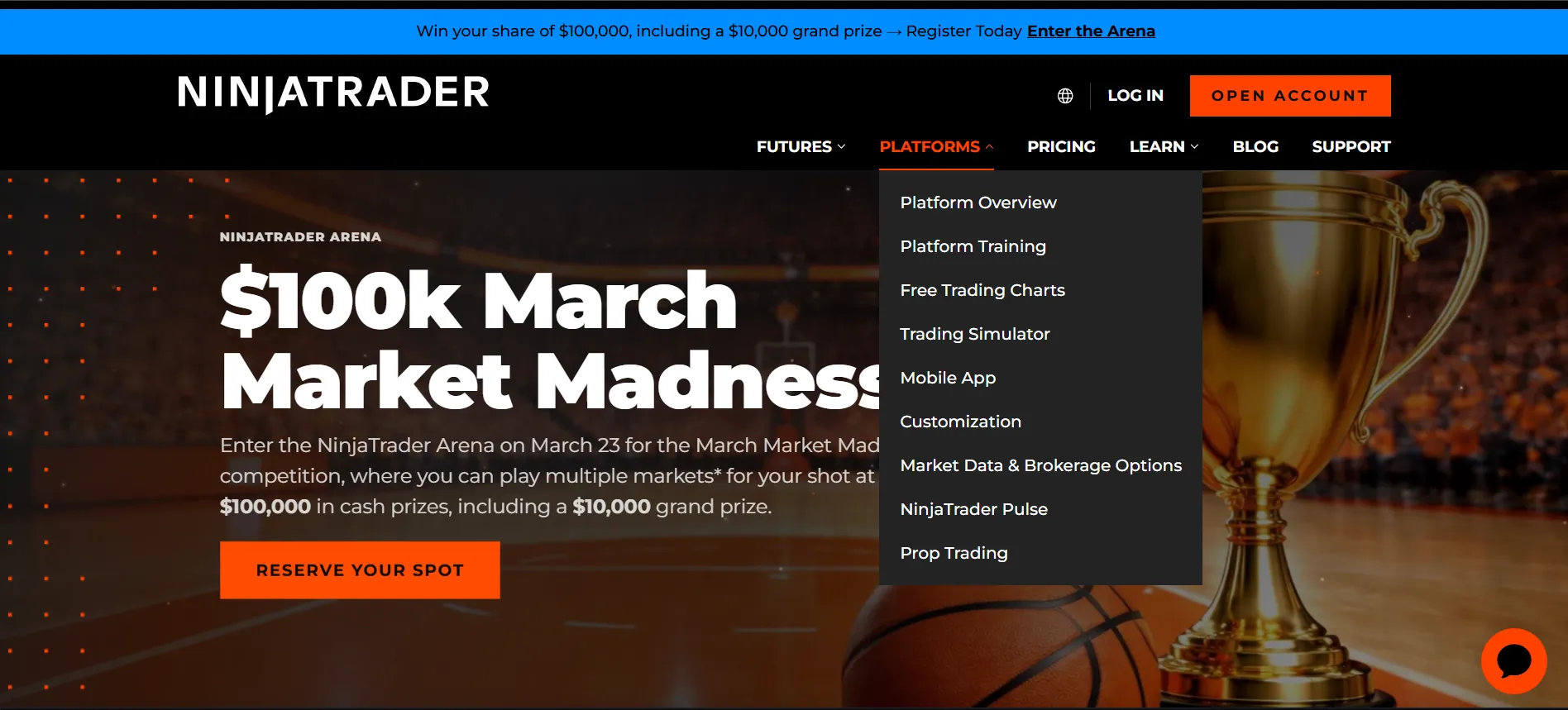
NinjaTrader is one of the most widely used trading platforms among futures traders. It is well known for its powerful charting tools, customizable indicators, and advanced strategy development features.
Many active traders prefer NinjaTrader because it offers extensive analytical capabilities and supports automated trading strategies. The platform is particularly popular among technical traders who rely heavily on chart analysis.
| Feature | Details |
| Advanced Charting | Extensive charting tools with customizable indicators |
| Automation | Strategy development and backtesting capabilities |
| Customization | Flexible interface with add-ons and third-party tools |
| Community Support | Large ecosystem of developers and plugins |
Best For:
Active futures traders and technical analysts who rely on advanced charting tools.
Tradovate
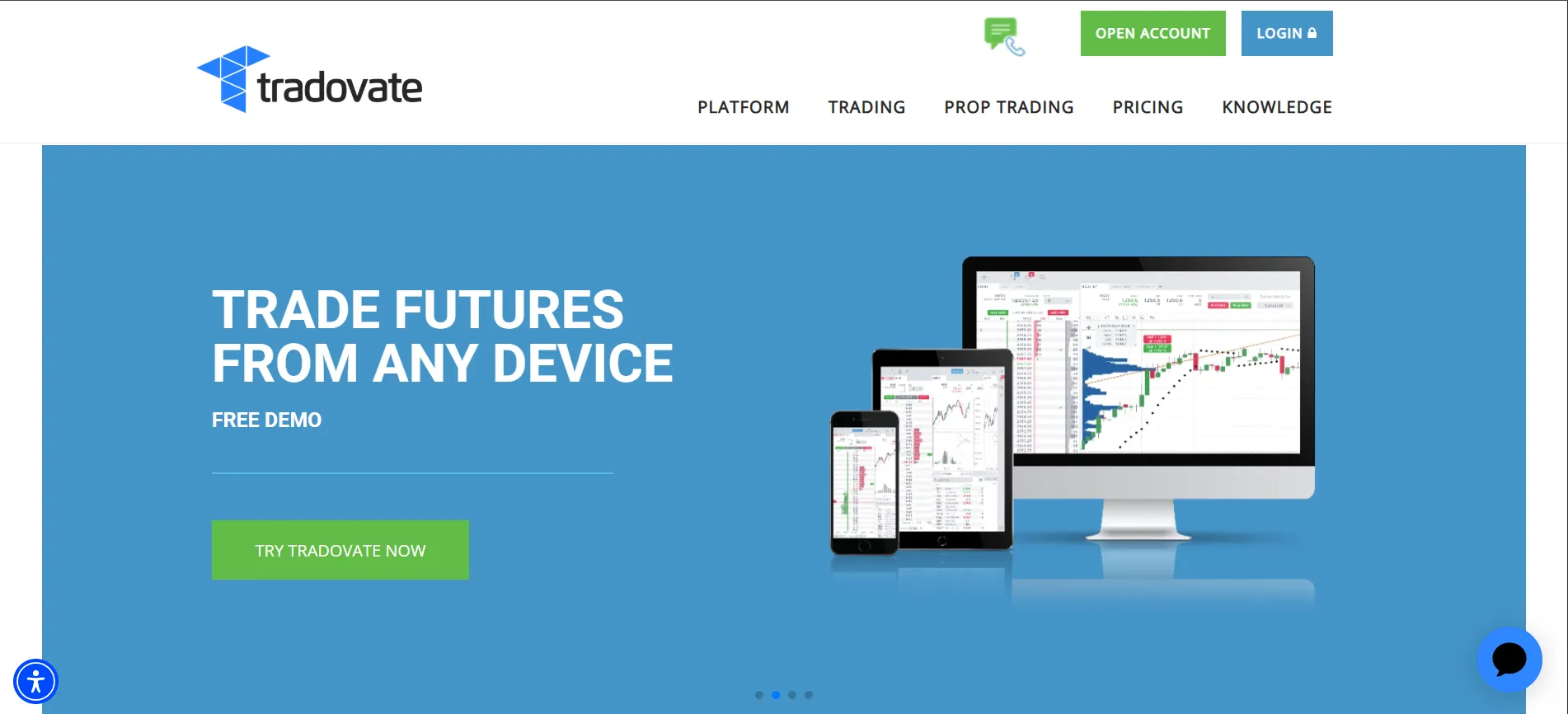
Tradovate is a cloud-based trading platform designed specifically for futures traders. Because it operates entirely online, traders can access their accounts from desktop, web, or mobile devices without installing additional software.
The platform is known for its clean interface and ease of use. These qualities make it a popular choice for beginners and intermediate traders who want a straightforward futures trading experience.
| Feature | Details |
| Cloud-Based Platform | Accessible from any device with internet access |
| User-Friendly Interface | Clean and intuitive platform design |
| Pricing Model | Commission-friendly pricing options |
| Multi-Device Access | Supports desktop, web, and mobile trading |
Best For:
Beginner and intermediate futures traders looking for a simple and accessible trading platform.
Quantower
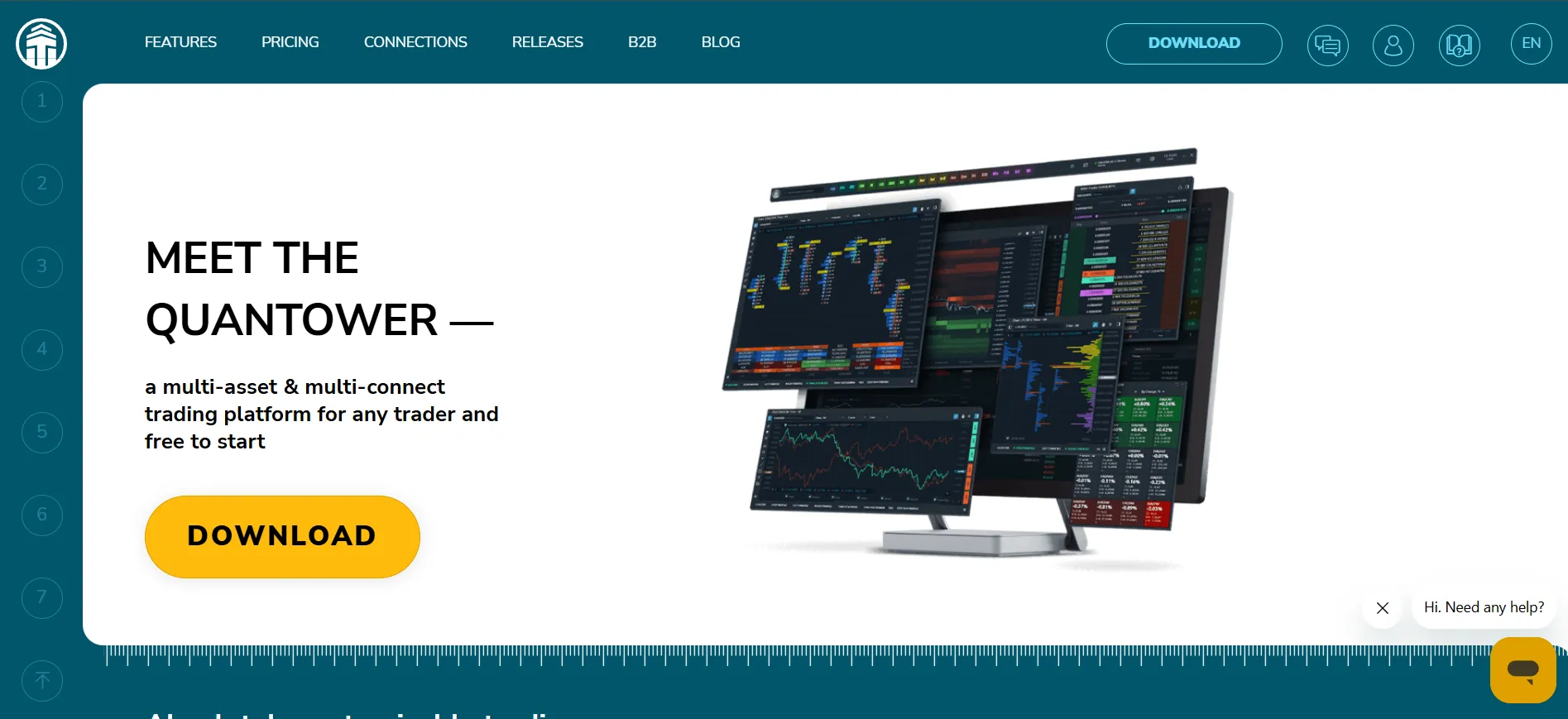
Quantower is a professional-grade trading platform designed for traders who need advanced analytical tools and multi-asset trading capabilities. It supports connections to several brokers and provides access to multiple data feeds.
The platform is particularly known for its advanced order flow tools, which help traders analyze market depth and liquidity. These features make it attractive for traders who rely on detailed market analysis.
| Feature | Details |
| Advanced Charting | Professional-grade charts and indicators |
| Order Flow Tools | Market depth and liquidity analysis |
| Multi-Broker Support | Connects to several futures brokers |
| Custom Layouts | Flexible and customizable workspace |
Best For:
Professional traders and traders who require advanced market analysis tools.
Sierra Chart
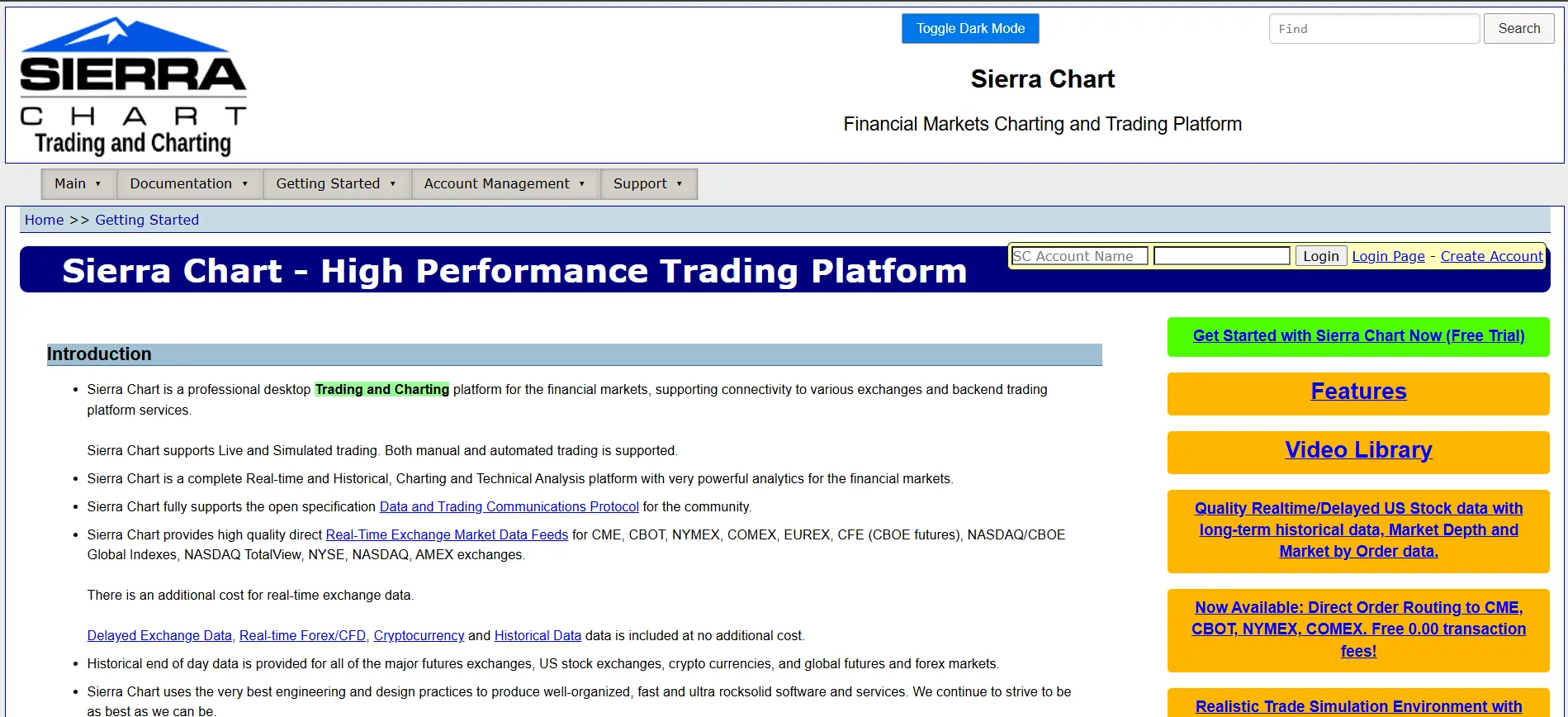
Sierra Chart is a powerful trading platform known for its performance, customization, and advanced analytical capabilities. Many professional futures traders rely on it for detailed charting and order flow analysis.
Although the platform has a steeper learning curve, it offers extensive customization options and powerful analytical tools. This makes it particularly appealing to experienced traders.
| Feature | Details |
| Customizable Charts | Highly flexible chart layouts and tools |
| Order Flow Analysis | Advanced market depth and volume analysis |
| Performance | High-performance platform architecture |
| Market Data Integration | Direct integration with market data providers |
Best For:
Experienced traders who require deep market analysis and customization.
TradingView
TradingView is one of the most popular charting platforms in the trading industry. It offers powerful charting tools and a large library of technical indicators used by traders worldwide.
The platform is web-based, making it accessible from almost any device without requiring software installation. Its large trading community also allows users to share strategies and ideas.
| Feature | Details |
| Advanced Charting | Powerful charting tools and technical indicators |
| Community Tools | Large library of user-built scripts and indicators |
| Web-Based Platform | Accessible from desktop, browser, and mobile |
| Custom Indicators | Supports custom scripts using Pine Script |
Best For:
Traders who prioritize charting tools and technical analysis.
How to Choose the Right Futures Trading Platform
Choosing the right trading platform depends largely on your trading style, experience level, and personal preferences. While some traders require advanced analytical tools, others prioritize simplicity and ease of use.
Here are a few considerations that may help you decide.
-
Your Trading Experience
Your level of trading experience plays an important role when selecting a trading platform. Some platforms are designed with beginners in mind, while others provide advanced tools intended for experienced traders.
Beginner traders often benefit from platforms with simple interfaces, intuitive navigation, and educational resources. These features make it easier to learn how to analyze charts, place trades, and manage positions without feeling overwhelmed.
More experienced traders may prefer platforms that offer advanced analytical tools, automation features, and deeper customization. These capabilities allow traders to build more sophisticated trading strategies and perform more detailed market analysis.
| Experience Level | Platform Needs |
| Beginner Traders | Simple interface, educational resources, basic charting tools |
| Intermediate Traders | Improved charting tools, better customization, more indicators |
| Advanced Traders | Order flow tools, automation, advanced analytics |
-
Your Trading Style
Different trading styles often require different platform features. For example, traders who focus on short-term market movements may require faster execution and advanced charting tools, while longer-term traders may prioritize analytical capabilities and market data.
Some common examples include:
- Day traders and scalpers often prefer platforms with fast order execution, advanced charting tools, and customizable layouts. These features help traders react quickly to intraday market movements.
- Professional traders may prioritize advanced features such as order flow analysis, market depth data, and automated trading strategies.
- Beginner traders typically prefer platforms with user-friendly interfaces and built-in educational resources that help them learn the fundamentals of futures trading.
Choosing a platform that supports your trading style can significantly improve your efficiency and overall trading experience.
-
Supported Brokers
Not all trading platforms connect to the same brokers or data providers. Before choosing a trading platform, it is important to ensure that it supports the broker you plan to use.
Some platforms are designed to work specifically with certain futures brokers, while others offer connections to multiple brokerage services. Checking broker compatibility can help avoid technical limitations when setting up your trading environment.
For example, many futures traders choose platforms based on which brokers they integrate with and the market data feeds they support.
-
Platform Costs and Fees
Another important factor to consider is the cost of using the platform. While some trading platforms are free, others may charge subscription fees or require additional payments for premium features.
Common platform-related costs may include:
- Monthly platform subscription fees
- Market data subscription costs
- Advanced analytical tools or add-ons
- Brokerage commissions and trading fees
Understanding these costs can help traders select a platform that fits both their trading needs and budget.
| Cost Type | Description |
| Platform Subscription | Monthly or yearly fee for using the platform |
| Market Data Fees | Cost for accessing real-time futures market data |
| Premium Tools | Extra cost for advanced indicators or analytics |
| Brokerage Fees | Trading commissions and execution costs |
Quick Comparison of Popular Futures Trading Platforms
To make it easier to compare the platforms discussed above, the table below highlights the primary strengths and ideal users for each platform.
| Trading Platform | Best For | Key Strengths |
| NinjaTrader | Active futures traders | Advanced charting, automation tools, strategy development |
| Tradovate | Beginner and intermediate traders | Cloud-based platform, simple interface, accessible from any device |
| Quantower | Professional traders | Advanced order flow tools, multi-broker connectivity, deep market analysis |
| Sierra Chart | Experienced traders | Highly customizable charts, powerful order flow analysis, strong performance |
| TradingView | Technical analysts | Powerful charting tools, community indicators, web-based access |
| Thinkorswim | Multi-asset traders | Comprehensive analysis tools, paper trading, educational resources |
Final Thoughts
Choosing the right trading platform is an important step for anyone interested in futures trading. The platform you select can influence how efficiently you analyze markets, execute trades, and manage risk.
While platforms like NinjaTrader, Tradovate, Quantower, Sierra Chart, TradingView, and Thinkorswim each offer unique advantages, the best option ultimately depends on your trading experience, preferred tools, and overall trading strategy.
By carefully evaluating your needs and exploring the available options, you can find a futures trading platform that supports your trading goals and helps you navigate the fast-paced futures markets more effectively.