One of the biggest psychological challenges traders face is confirmation bias. It is a common cognitive bias that causes people to seek information supporting their existing beliefs while ignoring evidence that suggests they may be wrong. In trading, this can lead to poor market analysis, delayed exits, and unnecessary losses.
Confirmation bias affects traders of all experience levels. Beginners may become emotionally attached to a trade idea, while experienced traders can become overconfident after a series of successful trades. In both cases, the result is often the same: decisions based on belief rather than objective analysis.
In this guide, you’ll learn what confirmation bias is, how it affects trading decisions, and practical ways to reduce its influence.
What Is Confirmation Bias in Trading?
In trading, confirmation bias occurs when a trader becomes convinced that the market will move in a particular direction and then focuses only on evidence supporting that view. At the same time, warning signs that suggest the opposite outcome are ignored or given less importance.
For example, a trader who believes Bitcoin will continue rising may pay attention only to bullish news, positive social media posts, or analysts predicting higher prices. They may ignore weakening momentum, bearish candlestick patterns, declining trading volume, or economic events that could negatively affect the market.
This bias often develops because people naturally prefer information that reinforces their opinions. Admitting that a trading idea may be wrong can be uncomfortable, especially after spending time analyzing the market or committing money to a position.
Research by psychologists Daniel Kahneman and Amos Tversky, pioneers in behavioral economics, showed that people do not always make rational decisions when faced with uncertainty. Instead, emotions and cognitive shortcuts frequently influence judgment.
How Confirmation Bias Affects Traders
Confirmation bias can influence nearly every stage of the trading process. From analyzing charts to managing open positions, it often causes traders to make decisions that reinforce their opinions instead of responding to changing market conditions.
Here are some of the most common ways confirmation bias affects traders.
1. Ignoring Opposing Signals
Once traders develop a bullish or bearish opinion, they often begin filtering information through that perspective.
For example, a trader expecting prices to rise may notice bullish candlestick patterns while overlooking bearish divergence, weakening volume, or nearby resistance levels. Instead of evaluating all available evidence equally, they unconsciously prioritize information that supports their existing view.
This selective analysis can reduce objectivity and increase the likelihood of entering lower-quality trades.
2. Holding Losing Trades Too Long
Confirmation bias often makes it difficult for traders to admit that a trade is no longer valid.
Instead of accepting new market information, they may continue searching for reasons to stay in the trade, believing the market will eventually move in their favor.
As losses increase, hope gradually replaces analysis. Traders may widen stop losses, remove risk limits, or refuse to exit because doing so would mean admitting the original idea was incorrect.
3. Cherry-Picking Information
Modern traders have access to unlimited market opinions through news websites, YouTube channels, trading communities, and social media.
Confirmation bias encourages traders to follow analysts who agree with their views while ignoring those presenting alternative perspectives.
Over time, this creates an echo chamber where every new opinion reinforces existing beliefs instead of encouraging balanced market analysis.
4. Becoming Overconfident
A series of successful trades can strengthen confirmation bias.
After several profitable positions, traders may begin believing their market analysis is consistently correct. As confidence grows, they may become less willing to question their assumptions or consider opposing evidence.
This overconfidence often leads to larger position sizes, weaker risk management, and increased exposure when market conditions eventually change.
5. Missing Better Opportunities
Focusing too heavily on one market direction can prevent traders from recognizing stronger opportunities elsewhere.
For example, a trader convinced that a stock will continue rising may ignore better setups in other assets or fail to notice that the overall trend has already weakened.
Keeping an open mind allows traders to adapt as market conditions evolve instead of becoming emotionally attached to a single idea.
Signs You May Be Trading With Confirmation Bias
Confirmation bias is often difficult to recognize because it affects the way traders interpret information. The table below highlights several behaviors that may indicate emotions are influencing your market analysis.
| Behavior | Why It Happens | Possible Result |
| Ignoring conflicting technical signals | Strong belief in the current trade idea | Lower-quality trade decisions |
| Looking only for bullish or bearish opinions | Seeking reassurance rather than objective analysis | One-sided market perspective |
| Refusing to close losing trades | Emotional attachment to being right | Larger losses and deeper drawdowns |
| Following only favorite analysts | Trusting familiar opinions instead of evaluating new evidence | Limited decision-making and confirmation bias |
| Ignoring major economic or market news | Believing the original analysis remains correct | Failure to adapt to changing market conditions |
| Moving or removing stop losses | Hoping the market will reverse | Increased risk and poor capital protection |
| Rejecting alternative viewpoints too quickly | Fear that opposing information will invalidate the trade | Reduced objectivity and missed opportunities |
| Feeling frustrated when analysis changes | Emotional attachment to a prediction | Difficulty adapting as new information becomes available |
How to Avoid Confirmation Bias
Confirmation bias cannot be eliminated because it is a natural part of human decision-making. The goal is not to remove it, but to recognize when it may be influencing your judgment and develop habits that encourage more objective analysis.
Here are several practical ways traders can reduce confirmation bias.
1. Create a Trading Checklist
A trading checklist helps remove emotion from the decision-making process by requiring every trade to meet predefined conditions before an order is placed.
For example, a checklist might include:
- Is the overall trend bullish or bearish?
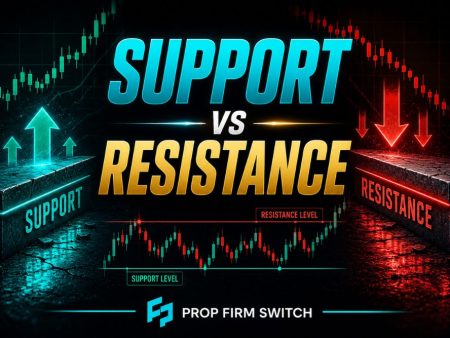
- Is price near support or resistance?
- Does the setup align with my trading strategy?
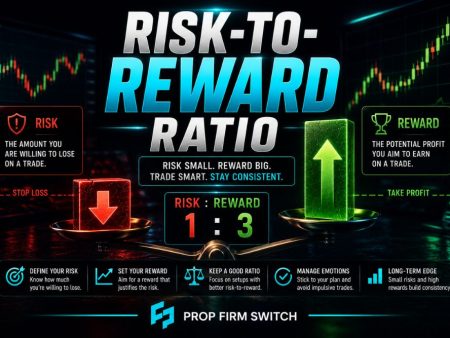
- Is the risk-to-reward ratio acceptable?
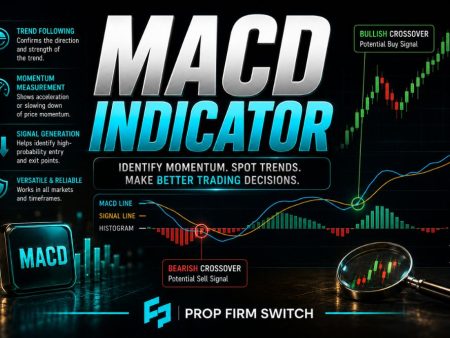
- Is there confirmation from volume or another indicator?
2. Look for Reasons Why Your Trade Could Fail
Instead of asking, “Why should I take this trade?”, ask, “What could prove this trade wrong?”
This simple shift in thinking encourages traders to evaluate both bullish and bearish scenarios before making a decision.
For example, if you’re planning to buy a stock, also examine nearby resistance levels, bearish candlestick patterns, weakening momentum, or upcoming economic events that could negatively affect the trade.
Professional traders often spend as much time challenging their own ideas as they do supporting them.
3. Consider Both Bullish and Bearish Scenarios
Before entering a position, try building a case for both sides of the market. Ask yourself why buyers might remain in control and why sellers could take over instead.
This balanced approach encourages objective thinking and helps prevent emotional attachment to a single market direction.
Many institutional traders routinely evaluate multiple scenarios before making investment decisions because they understand that markets can change quickly.
4. Accept That Being Wrong Is Part of Trading
Successful traders understand that losses are an unavoidable part of trading. Even strategies with a positive long-term expectancy experience losing trades.
Accepting this reality makes it easier to exit positions when market conditions change rather than searching for information that justifies staying in a losing trade.
The objective is not to prove your analysis was correct. The objective is to protect capital and make good decisions based on current market conditions.
5. Keep a Trading Journal
A trading journal is one of the most effective tools for identifying psychological patterns and improving decision-making.
In addition to recording entry prices and trade results, consider writing down:
- Why you entered the trade.
- What evidence supported your decision.
- What evidence contradicted your analysis.
- Whether you followed your trading plan.
- What you learned after closing the trade.
Trade the Evidence, Not Your Opinion
Confirmation bias is a natural cognitive bias that affects traders of all experience levels. The tendency to seek information that confirms existing beliefs can make it difficult to recognize changing market conditions, accept losses, or evaluate trades objectively.
The most successful traders understand that the market does not reward opinions, it rewards disciplined decision-making. Instead of trying to prove a trade is right, they continuously evaluate new information and adjust when conditions change.
By following a structured trading plan, considering both bullish and bearish scenarios, and reviewing trades through a journal, traders can reduce the influence of confirmation bias and make more balanced decisions.