Losing trades are part of every trader’s journey, but the emotional impact often feels heavier than the financial loss itself. Research in behavioral finance has shown that people tend to feel the pain of losses more strongly than the satisfaction of gains.
In trading, that emotional imbalance can quickly affect decision-making, especially during volatile market conditions. Broker disclosures across leveraged products also continue to show that a large percentage of retail traders lose money over time, with emotional decision-making remaining one of the biggest contributing factors.
Markets in 2026 move faster than ever. Crypto reacts instantly to headlines, futures markets become aggressive during economic events, and social media constantly pressures traders to stay active. Even experienced traders still take losses, but the difference often comes down to how they respond emotionally afterward. Understanding the psychology behind losing trades can help traders recognize destructive habits before they become long-term problems.

Why Losing Trades Feel So Personal
Trading is not only financial. It is deeply emotional because money, confidence, and personal judgment are all connected to every decision.
When a trade loses money, many traders feel like they personally failed instead of simply experiencing a normal outcome within probabilities. This emotional attachment often becomes stronger after spending hours analyzing charts or waiting for setups to develop. A losing trade may feel like proof that the trader was “wrong,” which creates frustration and self-doubt.
Real-money trading also triggers stress responses differently compared to demo trading. Watching actual account balances fluctuate creates emotional pressure that cannot fully be replicated in practice environments. This is one reason many traders perform well on demo accounts but struggle emotionally once live capital is involved.
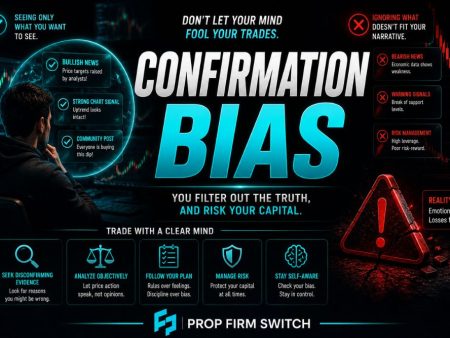
Ego also plays a role. Some traders become emotionally attached to predictions or market bias. Instead of accepting that markets can behave unpredictably, they continue defending losing positions emotionally.
Common Psychological Reactions to Losing Trades
1) Fear
Fear often appears after consecutive losses or highly volatile sessions. Traders may hesitate to take valid setups because they are worried another loss will follow.
This hesitation can create a damaging cycle. Traders avoid good opportunities, miss profitable moves, and then become even more frustrated afterward. Fear may also cause traders to exit winning trades too early simply because they want to protect profits quickly.
2) Revenge Trading
Revenge trading happens when traders immediately try to recover losses emotionally. Instead of waiting for quality setups, they enter trades impulsively because they feel pressure to “win the money back.”
Revenge trading becomes especially dangerous in leveraged markets like crypto and futures because volatility can amplify emotional mistakes quickly.
This usually leads to:
- oversized positions
- lower-quality entries
- emotional decision-making
- excessive trading frequency
3) Overconfidence After Wins and Losses
Emotional swings do not only happen after losses. Large winning streaks can also create psychological problems.
Some traders become overconfident after strong performance and begin ignoring risk management rules. They increase leverage, force setups, or believe they cannot lose. Once market conditions change, emotional reactions become even stronger because expectations were unrealistic.
This cycle often creates unstable trading behavior where confidence rises and collapses based entirely on recent results.
4) Denial and Holding Losing Trades
One of the most common emotional mistakes is refusing to accept a losing trade. Instead of closing the position, traders move stop losses farther away or remove them completely while hoping the market reverses.
This behavior is often tied to ego and emotional attachment. Accepting a loss feels psychologically uncomfortable, so traders delay the decision, hoping the market eventually proves them right.
Unfortunately, small manageable losses can become major drawdowns when denial takes over.
5) Frustration and Burnout
Extended losing streaks create mental fatigue. Traders may feel emotionally drained after spending long hours watching charts, analyzing setups, and dealing with repeated losses.
Burnout often reduces focus and patience. Decision quality declines because traders become mentally exhausted and emotionally reactive. Some begin overtrading simply because frustration makes them desperate to recover confidence.
This emotional exhaustion becomes more noticeable during periods of extreme volatility, where markets move aggressively for extended periods.
How Losing Trades Affect Decision-Making
Emotional pressure changes how traders think and react. After several losses, many traders abandon their original strategy completely and start making impulsive decisions based on frustration or fear.
Some begin entering trades too early because they want quick recovery opportunities. Others avoid setups entirely because confidence has weakened. Risk management often breaks down during emotional periods, especially when traders increase position size trying to recover previous losses.
Stress also affects patience. Traders may force setups during unclear conditions simply because they feel pressure to make back money quickly. Over time, emotional execution creates inconsistency, and inconsistency makes recovery even harder.
How Experienced Traders Handle Losing Trades
1) Accepting Losses as Part of Trading
Experienced traders understand that losses are unavoidable. Even strong strategies experience losing streaks because no setup works perfectly all the time.
Accepting this reality reduces emotional shock after losing trades.
2) Using Risk Management Consistently
Controlled risk helps traders survive emotionally difficult periods. Smaller losses are easier to recover from both financially and psychologically. Most disciplined traders focus heavily on protecting downside before thinking about profits.
3) Reviewing Trades Objectively
Instead of reacting emotionally, experienced traders often review trades calmly after sessions end. They analyze execution quality, market conditions, and emotional behavior. This process helps identify mistakes without turning every loss into personal failure.
4) Taking Breaks After Emotional Sessions
Sometimes the best decision after a difficult session is stepping away temporarily. Emotional trading usually becomes worse when frustration continues building. Short breaks help traders reset mentally before returning to the market.
5) Focusing on Long-Term Consistency
Professional traders rarely judge themselves based on one trade or one day. They focus more on long-term execution quality and risk management over large sample sizes. This mindset reduces emotional pressure attached to individual outcomes.
The Goal Is Emotional Control, Not Perfection
Losing trades will always be part of trading, regardless of experience level or strategy quality. The goal is not avoiding losses completely because no trader wins every trade. Long-term consistency usually comes from managing emotional reactions better rather than trying to predict every market move perfectly.
Fear, frustration, overconfidence, and revenge trading affect almost every trader at some point. The difference is that disciplined traders recognize those emotions early and avoid letting them control execution. Strong psychology does not mean feeling no emotion at all. It means staying structured enough to make rational decisions even when markets become stressful or unpredictable.