A few years ago, futures trading felt intimidating for smaller retail traders. Large contract sizes and higher capital requirements made it difficult to participate without taking on too much risk. Things started shifting when micro futures contracts became more widely available, giving newer traders a way to trade futures with smaller exposure and lower margin requirements.
Going into 2026, futures markets remain active across major products like the S&P 500, Nasdaq, gold, and crude oil. Most beginners are entering the space through prop firms and modern trading platforms that offer access to micro contracts and nearly around-the-clock market hours.
Still, not every futures market behaves the same. Some move smoothly, while others can become aggressive without warning. Understanding which markets are more beginner-friendly can make the learning process far less overwhelming and help you build confidence at a steadier pace.

What Makes a Futures Market Good for Beginners?
Not every futures market feels the same once you start trading. Some move in a smoother and more predictable way, while others can become difficult to manage without experience. Beginners usually learn faster in markets that offer stable liquidity, manageable volatility, and smaller contract sizes.
Liquidity
Markets with strong liquidity usually have tighter spreads and smoother execution. This helps traders enter and exit positions without large price jumps. Heavily traded markets like the S&P 500 futures often behave more consistently than thinner markets with lower volume.
Volatility
Fast movement may look exciting, but excessive volatility can make trading stressful for beginners. Sharp reversals and sudden spikes often lead to emotional decisions and poor entries. Markets with steadier movement give traders more time to react and understand price behavior.
Contract Size
Contract size has a direct impact on how much money is gained or lost during a trade. Smaller contracts reduce pressure because each point movement carries less financial exposure. This is one reason micro futures became popular among newer traders.
Trading Hours
Some markets become highly active during certain sessions, while others stay relatively calm. Beginners often perform better when trading during liquid hours where price movement is cleaner and spreads remain tight.
Clear Price Structure
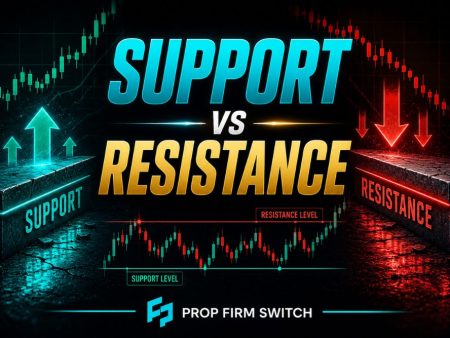
Certain futures markets develop cleaner trends and more structured movement than others. This can make it easier for beginners to identify support, resistance, and momentum without feeling overwhelmed by erratic price action.
Best Futures Markets for Beginners in 2026
Choosing your first futures market can shape how quickly you learn and how comfortable you feel managing trades. Starting with the right market often makes the learning curve far less frustrating.
Here are six of the best futures markets beginners are trading in 2026 and why they continue to attract newer traders:
1) Micro E-mini S&P 500 (MES)
The Micro E-mini S&P 500 remains one of the best starting points for beginners. It tracks the S&P 500 index but uses a smaller contract size compared to the regular E-mini version.
Many traders start here because the price movement tends to be smoother than highly volatile markets like crude oil or Nasdaq futures. The liquidity is strong, spreads are tight, and there is usually enough movement throughout the trading day without becoming too chaotic.
Another reason beginners prefer MES is lower risk exposure. Small account traders can practice execution and risk management without dealing with oversized positions.
2) Micro Nasdaq Futures (MNQ)
MNQ is the micro version of Nasdaq futures and is known for faster movement compared to MES. Since the Nasdaq is heavily influenced by technology stocks, price action can become aggressive during major market events or earnings seasons.
This market attracts traders who enjoy momentum and larger intraday swings. The opportunity is there, but beginners should approach it carefully because volatility can increase quickly.
Many traders eventually move from MES to MNQ after becoming more comfortable with futures execution and trade management.
3) E-mini S&P 500 (ES)
The E-mini S&P 500 is one of the most actively traded futures contracts in the world. It offers deep liquidity and cleaner market structure compared to many other futures products.
Price movement in ES is often easier to follow because institutional activity is heavily concentrated there. Prop firms also commonly support ES trading, making it one of the most recognized futures markets among funded traders.
The downside is the larger contract size. Beginners who move into ES too quickly sometimes take on more risk than they realize. This market usually makes more sense after gaining experience with micro contracts first.
4) Gold Futures (GC / MGC)
Gold futures are popular among traders who prefer reacting to macroeconomic events rather than pure momentum trading. Gold often responds to inflation data, interest rate expectations, geopolitical tension, and central bank decisions.
The micro version, MGC, offers smaller exposure and is generally more beginner-friendly. Gold can still move sharply during major news releases, but many traders find its price action easier to understand once they become familiar with economic drivers.
It also tends to attract traders who like slower setups instead of constant fast movement.
5) Crude Oil Futures (CL / MCL)
Crude oil futures are known for strong momentum and sudden bursts of volatility. This market reacts heavily to geopolitical developments, production news, inventory reports, and global economic sentiment.
The movement can be attractive because trends sometimes develop quickly, but that same volatility can overwhelm inexperienced traders. Sharp reversals are common, especially during inventory releases or unexpected headlines.
The micro crude oil contract, MCL, offers a safer entry point for beginners who want exposure to energy markets without taking full-sized risk immediately.
6) Treasury Futures
Treasury futures are tied closely to interest rates and economic expectations. Compared to equity index futures, they usually move in a calmer and more measured way.
Some beginners prefer Treasury markets because they are less chaotic during normal conditions. Traders who enjoy macroeconomic analysis often gravitate toward these contracts since bond markets react strongly to inflation reports and central bank decisions.
The slower movement may not appeal to traders looking for rapid momentum, but it can provide a more controlled learning environment.
Tips for Choosing Your Futures Market
The market you choose should also match your risk tolerance, trading style, and schedule. A market that works well for one trader may feel completely uncomfortable for another.
Here are a few practical tips that can help you choose a futures market that fits your experience level and trading approach:
- Start with micro contracts before moving into larger contracts
- Focus on learning one market deeply instead of switching constantly
- Pay attention to how volatility changes during different sessions
- Don’t assume faster movement automatically means better opportunity
- Choose a market that matches your personality and trading schedule
Start Simple
Beginners often believe they need fast-moving markets to make progress, but that usually leads to unnecessary pressure early on. Smaller contracts and cleaner markets give you more room to learn without forcing oversized risk.
Futures trading becomes easier once you understand how one market behaves over time. Watching the same contract daily helps you recognize patterns, session behavior, and volatility changes more naturally.
Trying to master everything at once rarely works. Traders who stay patient, keep risk controlled, and focus on consistency usually build stronger habits than those chasing quick results.