The global forex market remains the largest financial market in the world, with daily trading volume exceeding $7 trillion, according to recent industry reports. As technology, algorithmic trading, and global economic uncertainty continue to shape price movements, traders in 2026 must rely on smarter and more adaptable trading strategies to stay competitive.
Many retail traders still struggle with consistency, often due to poor risk management and the use of outdated or overly complex systems. In contrast, successful traders focus on structured strategies that prioritize probability, discipline, and capital preservation rather than chasing quick profits.
The rise of proprietary trading firms and performance-based funding programs has also changed how traders approach the market. Strategy selection now plays a crucial role not only in profitability but also in meeting strict drawdown rules and evaluation targets.
In this guide, we will explore some of the smartest forex trading strategies in 2026, including trend trading, breakout setups, price action techniques, and risk management methods that can help traders build long-term consistency.

What Makes a Forex Trading Strategy “Smart” in 2026?
In 2026, a smart forex trading strategy is defined not just by profitability but by its ability to deliver consistent risk-adjusted returns across different market conditions. With increased market volatility, tighter prop firm risk rules, and the widespread use of advanced trading technology, traders must adopt more structured and adaptable approaches.
Modern strategies now combine technical analysis, macroeconomic awareness, and market sentiment insights to create higher-probability trading setups. Many traders also use data analytics tools, trading journals, and automated alerts to refine execution and eliminate emotional decision-making.
Another defining factor of smart trading is the focus on capital preservation and long-term sustainability. Rather than aiming for high win rates, experienced traders prioritize favorable risk-to-reward ratios, disciplined position sizing, and the ability to remain consistent during both trending and ranging market environments.
As competition increases and algorithmic participation grows in the forex market, traders who rely on simple, repeatable strategies with clear rules are more likely to achieve stable performance. In this environment, adaptability and psychological discipline have become just as important as technical skill.
Trend Following Strategy
Trend following is a strategy that focuses on trading in the direction of the overall market movement. Traders aim to identify sustained bullish or bearish trends using tools like moving averages, trendlines, and market structure analysis.
This strategy works by entering trades during pullbacks or continuation patterns within a trend. Traders typically hold positions until signs of trend exhaustion or reversal appear, allowing them to maximize potential gains during strong directional markets.
| Characteristics | Pros | Cons |
| Trades with market momentum | Potential for large profits | False signals in ranging markets |
| Uses trend confirmation tools | Clear directional bias | Requires patience |
| Works on multiple timeframes | Good risk-to-reward potential | Late entries can reduce profits |
Breakout Trading Strategy
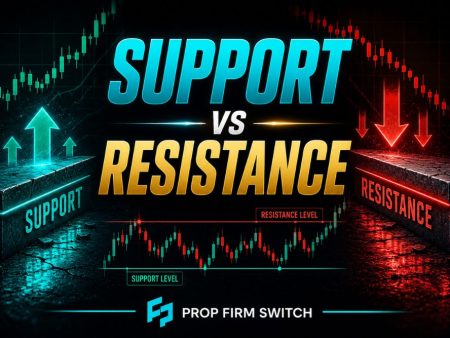
Breakout trading involves entering the market when price moves beyond key support or resistance levels with increased volatility. These breakouts often signal the start of new trends or momentum-driven price movements.
Traders typically wait for confirmation such as strong candle closes or retests of the breakout level before entering. Stop losses are usually placed near the breakout zone to manage risk in case of false breakouts.
| Characteristics | Pros | Cons |
| Trades volatility expansion | Captures early trend moves | Fake breakouts are common |
| Focus on key price levels | High profit potential | Requires fast decision-making |
| Popular during major sessions | Works in volatile markets | Spread widening risk |
Scalping Strategy
Scalping is a short-term trading strategy that aims to profit from small price movements within very low timeframes. Traders execute multiple trades in a single session, targeting quick and consistent gains.
This strategy works best in highly liquid markets with tight spreads, such as major currency pairs during peak trading hours. Strict discipline and fast execution are essential to control transaction costs and emotional pressure.
| Characteristics | Pros | Cons |
| Very short trade duration | Frequent opportunities | High psychological stress |
| Uses low timeframes | Quick profit realization | Transaction costs add up |
| Requires fast execution | Limited market exposure | Requires intense focus |
Swing Trading Strategy
Swing trading focuses on capturing medium-term price movements that typically last several days. Traders combine trend analysis, support and resistance levels, and technical indicators to identify potential entry points.
Positions are usually held longer than day trades, allowing traders to benefit from broader market trends. This approach reduces the need for constant market monitoring and can improve risk-to-reward ratios.
| Characteristics | Pros | Cons |
| Multi-day trade duration | Less screen time required | Overnight risk exposure |
| Combines technical tools | Higher reward potential | Slower trade frequency |
| Structured trade planning | Reduces overtrading | Requires patience |
News Trading Strategy
News trading involves taking positions based on major economic announcements such as interest rate decisions, inflation data, and employment reports. These events often trigger sharp market volatility and rapid price movements.
Traders may enter before or after news releases depending on their strategy and risk tolerance. Proper risk management is critical due to spread widening, slippage, and unpredictable market reactions.
| Characteristics | Pros | Cons |
| Trades economic volatility | Large profit opportunities | Highly unpredictable |
| Focus on fundamental events | Fast market movements | Spread and slippage risk |
| Short-term trading setups | Momentum-driven trades | Requires experience |
Day Trading Strategy
Day trading involves opening and closing positions within the same trading day to avoid overnight risk. Traders aim to profit from intraday price fluctuations using technical analysis and session-based volatility.
This strategy requires consistent monitoring of charts and quick decision-making. Many day traders focus on major trading sessions to maximize liquidity and trade opportunities.
| Characteristics | Pros | Cons |
| No overnight exposure | Regular trading opportunities | Time-intensive |
| Focus on intraday moves | Controlled risk duration | Emotional pressure |
| Session-based trading | Works in liquid markets | Requires discipline |
Position Trading Strategy
Position trading is a long-term strategy where traders hold positions for weeks or even months. It is often based on macroeconomic trends, interest rate cycles, and fundamental analysis.
This approach aims to capture large market moves with fewer trades. Traders must tolerate short-term fluctuations while maintaining a broader market outlook.
| Characteristics | Pros | Cons |
| Long-term trade horizon | Large profit potential | Requires strong patience |
| Based on macro trends | Less frequent monitoring | Exposure to market shocks |
| Lower trading frequency | Reduced transaction costs | Capital tied up longer |
Range Trading Strategy
Range trading is used when markets move sideways between clear support and resistance levels. Traders buy near support and sell near resistance while using oscillators to confirm market conditions.
This strategy works best in low-volatility environments where price lacks strong directional momentum. However, traders must remain alert for potential breakouts that can invalidate range setups.
| Characteristics | Pros | Cons |
| Trades sideways markets | Clear entry and exit zones | Breakout risk |
| Uses oscillators | Predictable price behavior | Limited profit potential |
| Structured setups | Works in calm markets | Requires patience |
Carry Trade Strategy
Carry trading involves profiting from the interest rate difference between two currencies. Traders buy higher-yielding currencies while selling lower-yielding ones to earn rollover income over time.
This strategy performs best in stable economic environments with clear monetary policy trends. Sudden changes in risk sentiment can quickly impact carry trade performance.
| Characteristics | Pros | Cons |
| Long-term strategy | Passive income potential | Sensitive to market shocks |
| Based on interest rates | Lower trade frequency | Requires large capital |
| Macro-driven approach | Trend alignment benefits | Slow profit growth |
Price Action Trading Strategy
Price action trading focuses on analyzing raw price movements without relying heavily on indicators. Traders study candlestick patterns, market structure, and key support/resistance zones to make decisions.
This strategy encourages patience and market awareness, as traders wait for high-probability setups before entering positions. It is widely used by professional and institutional traders.
| Characteristics | Pros | Cons |
| Indicator-free analysis | Clear market understanding | Requires experience |
| Focus on structure | Adaptable to all markets | Subjective interpretation |
| Institutional-style trading | High-quality setups | Learning curve |
Grid Trading Strategy
Grid trading involves placing multiple buy and sell orders at predefined price intervals. The strategy aims to profit from market fluctuations regardless of direction.
Traders benefit from ranging or volatile conditions where price moves frequently between levels. However, poor risk control can lead to significant drawdowns during strong trends.
| Characteristics | Pros | Cons |
| Automated order placement | Profits in sideways markets | High drawdown risk |
| Direction-neutral strategy | Structured trade system | Complex risk management |
| Multiple open positions | Continuous market exposure | Margin pressure |
Retracement Trading Strategy
Retracement trading focuses on entering trades during temporary pullbacks within an existing trend. Traders use tools like Fibonacci levels, moving averages, and support/resistance zones to identify potential entry areas.
This strategy allows traders to enter at better prices with improved risk-to-reward potential. Proper timing is essential to avoid entering trades before the retracement is complete.
| Characteristics | Pros | Cons |
| Trades trend corrections | Better entry prices | Timing challenges |
| Uses confluence tools | Improved risk-to-reward | False continuation signals |
| Popular among swing traders | Structured setups | Requires patience |
How to Choose the Right Forex Trading Strategy
Choosing the right forex trading strategy is one of the most important decisions traders make. A strategy that works for one trader may not suit another due to differences in personality, risk tolerance, time availability, and trading goals.
To select the most suitable approach, traders should evaluate several key factors:
1. Trading Time Availability
- Scalping and day trading require constant chart monitoring
- Swing and position trading suit traders with limited screen time
- News trading requires being active during economic releases
2. Risk Tolerance
- High-frequency strategies may involve higher psychological pressure
- Long-term strategies can expose traders to market fluctuations
- Consistent risk management is essential regardless of strategy
3. Trading Experience Level
- Beginners may benefit from trend following or swing trading
- Advanced traders can explore price action or news trading
- Automated or grid strategies require deeper risk understanding
4. Market Conditions
- Trending markets favor trend-following and retracement strategies
- Sideways markets favor range or grid trading
- Volatile markets may offer breakout and news trading opportunities
5. Prop Firm Rules and Account Size
- Many prop firms enforce strict daily drawdown limits
- Strategies with controlled risk and fewer trades may perform better
- Traders should align their strategy with funding evaluation requirements
Testing different strategies through backtesting and demo trading can help traders build confidence before applying them in live market conditions.
Common Forex Trading Mistakes to Avoid
Even with a strong strategy, traders can struggle due to avoidable mistakes. Understanding these common pitfalls can significantly improve long-term trading performance.
Frequent Forex Trading Mistakes
- Overtrading: Taking too many trades due to boredom or emotional pressure
- Risking too much per trade: Ignoring proper position sizing rules
- Strategy hopping: Constantly changing systems after small losses
- Ignoring market conditions: Using trend strategies in ranging markets
- Lack of trading plan: Entering trades without defined entry and exit rules
- Poor emotional control: Fear and greed influencing decisions
- Not keeping a trading journal: Failing to track performance and mistakes
Avoiding these errors allows traders to maintain consistency and develop structured decision-making habits.
Conclusion
Smart forex trading strategies in 2026 focus on adaptability, disciplined execution, and effective risk management rather than chasing unrealistic profits. With the increasing influence of algorithmic trading, global economic uncertainty, and stricter prop firm requirements, traders must rely on structured and well-tested approaches.
There is no single strategy that guarantees success in every market condition. Traders who understand their personality, manage risk properly, and continuously refine their methods are more likely to achieve sustainable long-term performance.
By combining strategic planning, psychological discipline, and consistent performance tracking, forex traders can build a stronger foundation for growth in today’s fast-changing financial markets