Trading currencies might seem complex at first glance, but once you break it down, the core concepts aren’t that difficult to grasp. This guide cuts through the jargon to give you the essential knowledge you need to understand forex trading.
What’s Forex Trading, Really?
Forex trading (foreign exchange trading) is simply buying one currency while selling another at the same time. When you trade forex, you’re betting on how one currency will perform against another.
Think about your last vacation abroad. You exchanged dollars for euros, yen, or pesos. That’s basically forex trading in its simplest form – though the actual trading markets are much faster and more sophisticated.
The forex market is massive. It sees over $6 trillion changing hands daily, making it the largest financial market in the world. Unlike stock exchanges that close, forex markets run 24 hours a day, five days a week.
Currency Pairs: The Building Blocks
In forex, currencies come in pairs – you can’t trade just one currency. Some examples:
- EUR/USD (Euro/US Dollar)
- GBP/USD (British Pound/US Dollar)
- USD/JPY (US Dollar/Japanese Yen)
The first currency listed is the “base currency,” and the second is the “quote currency.” The price shows how much of the quote currency you need to buy one unit of the base currency.
If EUR/USD = 1.20, you need $1.20 to buy €1.
Major, Minor, and Exotic Pairs
| Type | Examples | Characteristics |
|---|---|---|
| Major Pairs | EUR/USD, USD/JPY, GBP/USD | Most traded, tightest spreads |
| Minor Pairs | EUR/GBP, AUD/NZD, GBP/JPY | Less trading volume, wider spreads |
| Exotic Pairs | USD/TRY, USD/ZAR, EUR/SEK | Much less liquid, highest spreads |
Beginners typically start with major pairs because they’re easier and cheaper to trade.
How Forex Trading Actually Works
When trading forex, you’re speculating on price movements between currency pairs. Let’s break it down with a simple example:
- You think the Euro will strengthen against the US Dollar
- You buy EUR/USD at 1.2000
- The price rises to 1.2100
- You sell your position
- You’ve made a profit of 100 pips (we’ll explain pips shortly)
Of course, if the Euro weakens instead, you’ll lose money. That’s the risk-reward nature of trading.
The Key Terms You’ll Need to Know
Pips
A pip is the smallest price movement in a currency pair, usually the fourth decimal place (0.0001). It’s how traders measure profit and loss.
Example: If EUR/USD moves from 1.2000 to 1.2010, that’s a 10-pip movement.
Lots
A lot is the standard trading size:
- Standard lot = 100,000 units
- Mini lot = 10,000 units
- Micro lot = 1,000 units
Beginners often start with micro lots to limit risk.
Spread
The spread is the difference between the buying price (ask) and selling price (bid). It’s how brokers make money.
If the EUR/USD bid is 1.2000 and the ask is 1.2002, the spread is 2 pips.
Leverage
Leverage lets you control a large position with a small amount of capital. It’s expressed as a ratio like 50:1 or 100:1.
With 100:1 leverage, you can control a $100,000 position with just $1,000 in your account.
Warning: Leverage multiplies both profits AND losses. It’s a double-edged sword that can wipe out your account if used carelessly.
Types of Forex Analysis
Traders typically use two main approaches to decide when to buy and sell:
Technical Analysis
Technical analysts study price charts and patterns to predict future movements. They use tools like:
- Moving averages
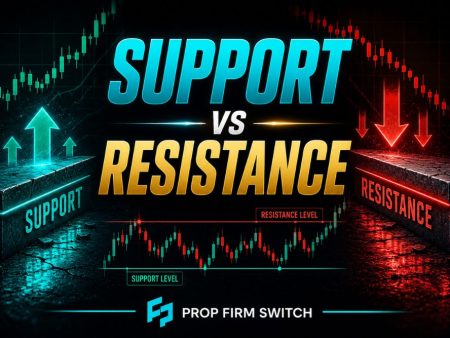
- Support and resistance levels
- Trend lines
- Chart patterns
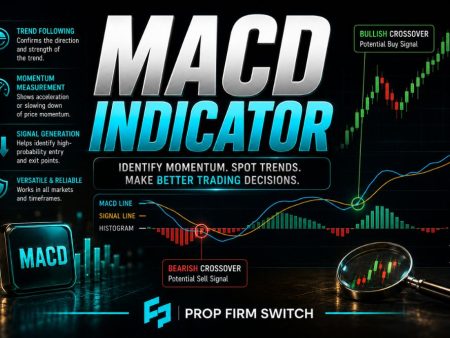
- Oscillators (RSI, MACD, etc.)
This approach is based on the idea that “price tells the whole story” and history tends to repeat itself.
Fundamental Analysis
Fundamental traders look at economic factors that affect currency values:
- Interest rates
- Inflation rates
- GDP growth
- Employment data
- Political stability
They trade based on economic news and central bank announcements.
Most successful traders use both approaches rather than limiting themselves to just one.
Common Trading Styles
Your personality and schedule will influence which trading style works best for you:
Scalping: Ultra-short-term trades lasting minutes or even seconds, aiming for small profits many times per day.
Day Trading: Positions opened and closed within the same day, avoiding overnight exposure.
Swing Trading: Holding positions for several days to catch “swings” in the market.
Position Trading: Long-term trades that might last weeks or months, focusing on fundamental trends.
Setting Up to Trade Forex
To start trading forex, you’ll need:
- A broker account – Look for regulated brokers with reasonable spreads and good customer service
- Trading platform – Most brokers offer MetaTrader 4/5 or their own proprietary platforms
- Starting capital – You can start with as little as $100-$500, though $1,000+ gives you more breathing room
- A trading plan – Decide what you’ll trade, when you’ll trade, and your risk management rules
The Real Risks of Forex Trading
Let’s be straight – most forex traders lose money. The main reasons:
- Poor risk management: Risking too much per trade or using excessive leverage
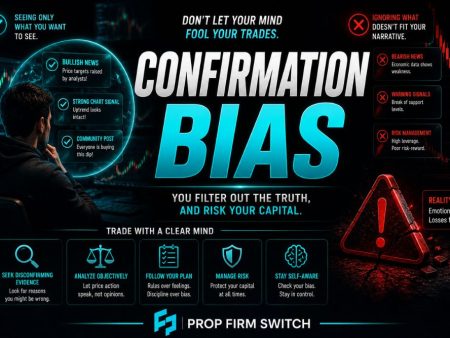
- Emotional trading: Making decisions based on fear or greed rather than analysis
- Lack of knowledge: Jumping in without understanding the market
- No trading plan: Trading randomly without clear rules
- Unrealistic expectations: Expecting to get rich quickly
Risk Management Basics
Good traders focus more on protecting their capital than on making money. Some basic rules:
- Never risk more than 1-2% of your account on a single trade
- Always use stop-loss orders to limit potential losses
- Don’t use maximum leverage just because it’s available
- Keep a trading journal to track and learn from your trades
- Practice with a demo account before risking real money
Getting Started: Next Steps
If forex trading sounds right for you, here’s how to get moving:
- Learn more through books, courses, and reputable online resources
- Open a demo account and practice without risk
- Start a trading journal to track your demo trades
- Choose a regulated broker when you’re ready for live trading
- Start small with micro lots and minimal risk
- Join trading communities to learn from experienced traders
Final Word
Like prop trading, forex trading isn’t a get-rich-quick scheme. It’s a skill that takes time and practice to develop. The traders who succeed are those who take their time learning, practice proper risk management, and approach the markets with discipline and patience.
Start small, learn consistently, and focus on limiting losses rather than chasing profits. That approach won’t make you an overnight millionaire, but it might just keep you in the game long enough to become a successful trader.
As you grow, take the time to find a prop trading firm that aligns with your goals, values, and trading style. It can make a big difference in your journey.