Financial markets create opportunities every day, but they also create pressure to act quickly. A stock breaks to a new high, Bitcoin surges 10% in a few hours, or a futures contract rallies after major economic news. Many traders see these moves and immediately feel they are missing out.
This emotional response is known as FOMO, or Fear of Missing Out. It is one of the most common psychological challenges in trading and can lead to impulsive decisions, poor entries, oversized positions, and unnecessary losses.
FOMO does not only affect beginners. Even experienced traders can feel the urge to chase the market during periods of high volatility or strong momentum. Learning to recognize and manage these emotions is an important step toward becoming a more disciplined and consistent trader.
In this guide, we’ll explore what causes FOMO in trading, how it affects decision-making, and practical ways to avoid letting emotions control your trades.
What Is FOMO in Trading?
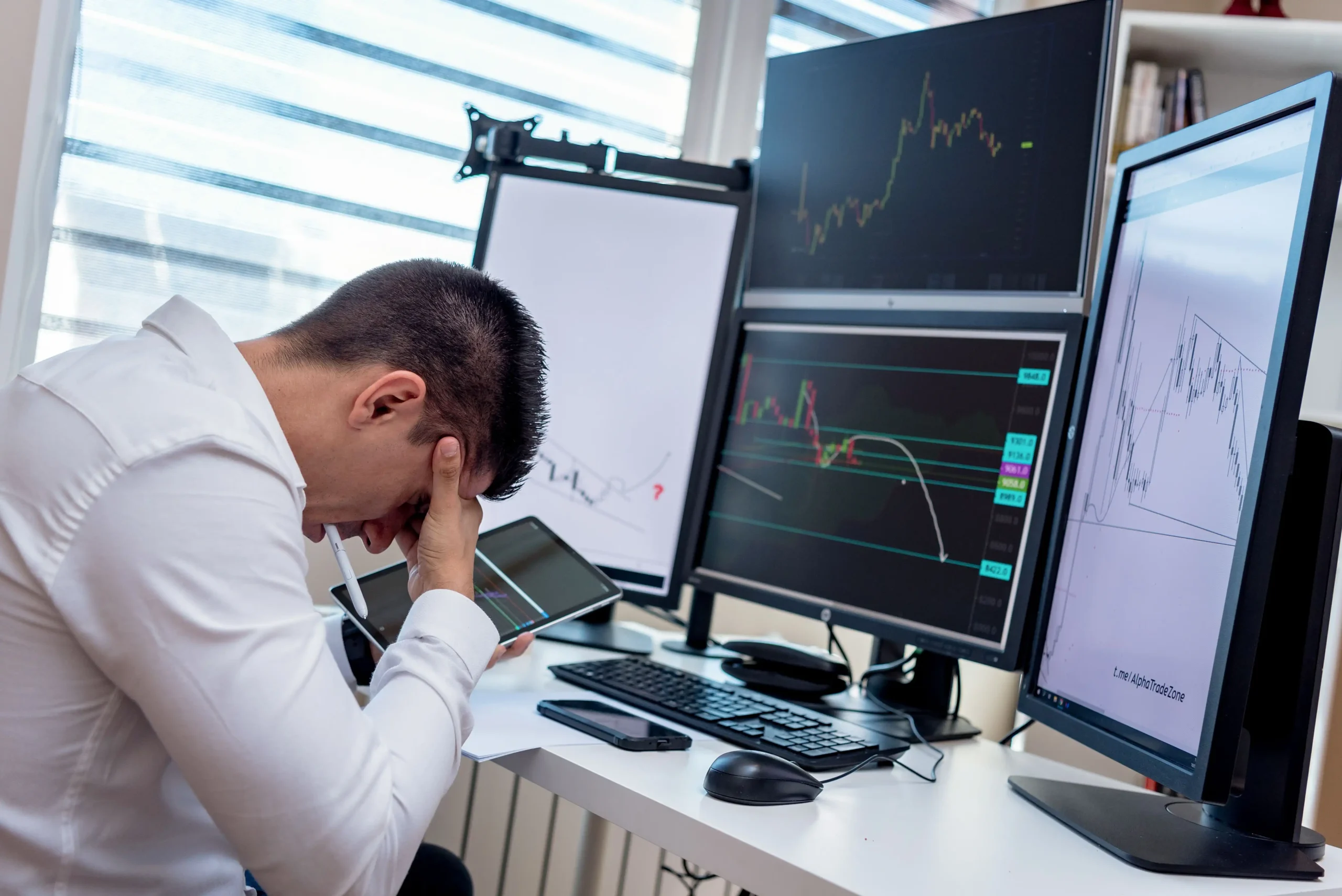
FOMO, or Fear of Missing Out, is the emotional urge to enter a trade because you believe a profitable opportunity is slipping away. Instead of following a trading plan, decisions are driven by anxiety, excitement, or the fear that everyone else is making money while you are left behind.
In trading, FOMO often appears after a rapid price move. A trader who planned to buy at a lower level may abandon that plan and enter after several large bullish candles simply because they fear the market will continue rising without them.
Psychologists describe FOMO as a form of loss aversion, where people experience the pain of missing a potential gain more intensely than the satisfaction of making a rational decision. Behavioral finance studies have shown that emotions can significantly influence investment choices, often leading traders to ignore risk management and overestimate future returns.
The rise of social media has also made FOMO more common. Screenshots of large profits, viral market predictions, and stories of overnight success can create unrealistic expectations and encourage traders to chase moves without proper analysis.
While FOMO may feel like an opportunity, it often leads traders to buy near market highs or sell near market lows, increasing the likelihood of poor trade outcomes.
What Causes FOMO in Trading?
FOMO rarely appears without a trigger. It is usually the result of emotional reactions to market activity, outside influences, or a lack of preparation. Understanding these triggers can help traders recognize FOMO before it affects their decisions.
1. Rapid Price Movements
Sharp price rallies often create urgency. When Bitcoin gains several thousand dollars in a single day or a stock breaks to a new all-time high, traders may feel pressured to enter before prices move even higher.
Momentum-driven markets can continue for longer than expected, but chasing large candles often results in buying after much of the move has already occurred. This increases downside risk if the market experiences a pullback.
2. Social Media and Trading Influencers
Platforms such as X, YouTube, Discord, and Reddit allow market news and trading ideas to spread within seconds. While educational content can be valuable, constant exposure to profit screenshots and bold predictions may create unrealistic expectations.
Seeing traders post five-figure gains from a single trade can make others feel they are falling behind, even though losses and unsuccessful trades are rarely shared with the same frequency.
3. Watching Others Make Money
Watching friends, coworkers, or online communities profit from a market rally can trigger emotional decision-making. Instead of evaluating whether the opportunity still offers a favorable setup, traders may enter simply because others appear to be succeeding.
This behavior often shifts the focus from following a trading plan to trying to keep up with other market participants.
4. Fear of Missing the Next Big Trend
Major market events often create excitement around a particular asset or sector. During periods such as the cryptocurrency bull market of 2021 or the rapid rise of AI-related stocks in 2023, many investors entered after prices had already appreciated significantly.
History shows that strong trends can continue, but buying solely because of hype rather than analysis often increases exposure to sharp corrections when sentiment changes.
5. Lack of a Trading Plan
Traders without predefined entry criteria, exit rules, or risk limits are generally more vulnerable to emotional decisions. Without a structured process, every market movement can feel like an opportunity that cannot be missed.
A trading plan provides objective rules that help reduce impulsive decisions and encourage consistency over time.
Signs You’re Trading With FOMO
The table below highlights common behaviors that may indicate fear of missing out is influencing trading decisions.
| Behavior | Why It Happens | Potential Result |
| Chasing breakouts | Fear that price will continue moving without you | Poor entries and increased downside risk |
| Entering without confirmation | Acting on emotion instead of waiting for a setup | Higher probability of false signals |
| Increasing position size | Trying to maximize a perceived opportunity | Larger losses if the trade fails |
| Ignoring stop losses | Believing the market will quickly reverse in your favor | Significant account drawdowns |
| Overtrading | Constant fear of missing opportunities | Higher trading costs and emotional fatigue |
| Copying other traders | Following online opinions without personal analysis | Inconsistent decision-making and reduced confidence |
| Buying after major news | Reacting to headlines instead of planning ahead | Entering after much of the move has already occurred |
| Frequently changing strategies | Believing another method will capture every opportunity | Lack of consistency and slower long-term progress |
How to Avoid FOMO in Trading
FOMO is a natural emotion, but successful traders learn to manage it rather than act on it. Building discipline and following a structured process can reduce impulsive decisions and improve consistency over time.
1. Follow a Trading Plan
A trading plan defines entry conditions, stop-loss placement, profit targets, and position size before a trade is placed. Having clear rules reduces emotional decision-making and helps traders avoid chasing the market.
Professional traders often judge success by how well they followed their process rather than the outcome of a single trade.
2. Accept That Opportunities Never End
Financial markets operate every trading day, creating thousands of opportunities across different assets and timeframes. Missing one trade does not mean missing long-term success.
Many experienced traders believe preserving capital for the next high-quality setup is more valuable than forcing a trade out of fear.
3. Wait for Confirmation
Entering a trade after confirmation can reduce the likelihood of buying into a false breakout or selling into a temporary decline. Waiting for trend confirmation, volume, or technical signals often leads to more disciplined entries.
Although confirmation may result in entering at a slightly higher or lower price, it can improve the probability of trading with the prevailing market direction.
4. Use Price Alerts Instead of Constantly Watching Charts
Watching every market fluctuation can increase stress and encourage impulsive decisions. Price alerts allow traders to monitor key levels without staring at charts for hours.
This approach helps reduce emotional reactions while ensuring that potential opportunities are not completely overlooked.
5. Focus on Consistency Instead of One Trade
Successful trading is measured over dozens or even hundreds of trades rather than a single opportunity. A disciplined trader who consistently follows risk management principles is generally better positioned than someone who occasionally catches a large move through emotional decision-making.
Long-term consistency often comes from repeating a proven process rather than chasing every price movement.
FOMO vs Disciplined Trading
| FOMO Trading | Disciplined Trading |
| Chases price after large moves | Waits for predefined setups |
| Makes emotional decisions | Follows a structured trading plan |
| Focuses on immediate profits | Focuses on long-term consistency |
| Frequently increases position size | Maintains consistent risk management |
| Reacts to social media and headlines | Relies on personal analysis and strategy |
| Ignores stop-loss rules | Protects capital through disciplined risk control |
| Trades to avoid missing out | Trades only when conditions meet predefined criteria |
| Measures success by one trade | Measures success through consistent execution |
Trade With a Clear Mind
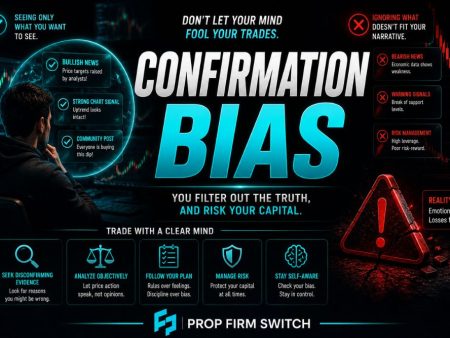
Every trader experiences FOMO at some point. The desire to catch every rally or avoid missing the next big move is a natural emotional response, especially during volatile markets. However, acting on that emotion often leads to poor entries, unnecessary risk, and inconsistent results.
Successful traders understand that opportunities are endless, but capital is limited. Rather than chasing price, they wait for setups that align with their strategy and risk management rules.
Over time, discipline, patience, and consistency tend to produce better results than impulsive decisions driven by fear of missing out. The goal is not to catch every trade but to make well-planned decisions that support long-term trading success.