Running a proprietary trading firm in 2026 requires more than capital and skilled traders. Technology plays a key role in keeping operations smooth, tracking performance, enforcing risk rules, and maintaining trust with traders.
Integrated systems help streamline workflows, manage payouts, and automate evaluation processes, giving founders more time to focus on growth and strategy.
This informative guide breaks down the key technology areas for new prop firms and explains why each component is essential for efficient and professional operations.
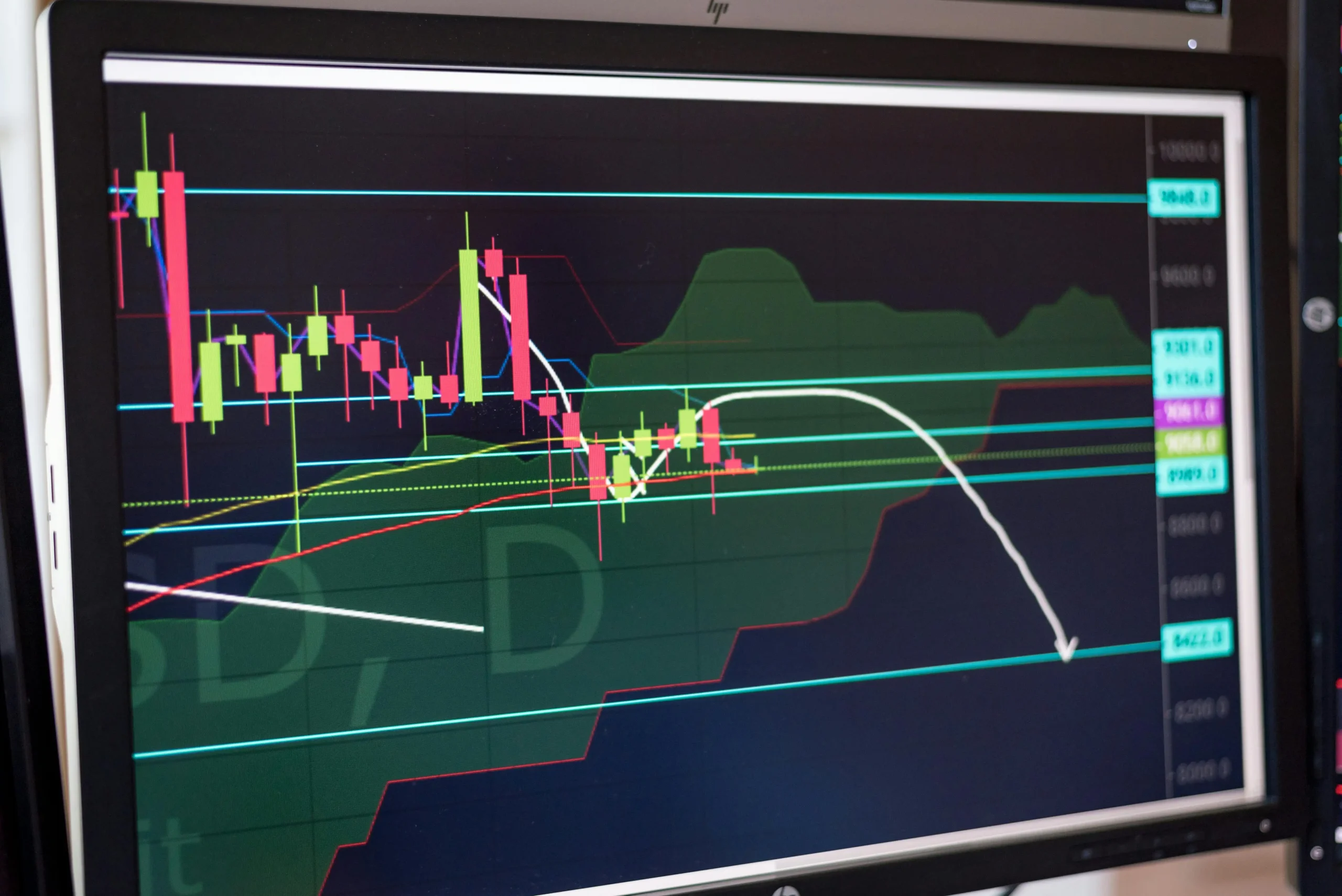
1. Integrated Prop Firm Technology Platforms
Integrated platforms provide a complete system for launching and managing a prop firm. Trade Tech Solutions is a leading prop firm tech provider, offering a comprehensive ecosystem covering trading, risk controls, CRM functions, and payout processing.
Benefits of integration:
- Reduces errors and manual work
- Centralizes performance tracking and compliance
- Speeds up firm launch and operations
Fully integrated prop firm systems allow founders to manage the business efficiently without juggling multiple separate tools, and are therefore a top choice for those looking for efficiencies.
2. Multi-Asset Trading Infrastructure
Trading platforms that support multiple markets attract a wider range of traders and strategies. Systems compatible with forex, CFDs, futures, and crypto provide flexibility for different trading approaches.
Features to look for:
- Compatibility with MetaTrader, cTrader, or proprietary dashboards
- Real-time market data and analytics
- Support for automated trading and risk management
A strong multi-asset infrastructure ensures that traders have reliable tools while the firm can accommodate growth and diversification.
3. Risk Management and Analytics Tools
Managing risk is critical for protecting capital and maintaining consistent rules. Analytics tools monitor exposure, track drawdowns, and flag unusual trading activity in real time.
Key functions:
- Continuous monitoring of trader performance
- Alerts for rule violations
- Dashboard integration for easy access
Proactive risk management protects both the firm and its traders, creating a secure and professional environment.
4. Back-Office and CRM Systems
Back-office technology handles onboarding, compliance, and account management, while CRM systems manage trader relationships and support. Together, they reduce errors and keep operations organized.
Important features:
- Automated onboarding and KYC verification
- Challenge and evaluation tracking
- Ticketing and communication management
A solid back-office setup allows teams to scale efficiently while maintaining transparency and smooth operations.
5. Cybersecurity and Compliance Technology
Protecting trader and financial data is essential. Security and compliance tools reduce the risk of breaches and help firms meet regulatory requirements.
What to prioritize:
- Encrypted storage and secure cloud infrastructure
- Multi-factor authentication for traders
- Regulatory reporting features
Many financial firms and corporate boards now view cybersecurity as a leading operational priority. In a 2025 survey by Deloitte and the Center for Audit Quality, 93% of audit committee respondents said cybersecurity was one of their top three priorities, and half ranked it as their number one concern.
6. Evaluation and Challenge Automation
Automated evaluation software ensures fair and accurate assessment of traders while reducing administrative effort.
Core capabilities:
- Predefined profit targets and risk limits
- Automated scoring and reporting
- Integration with trading platforms
Automation saves time, prevents errors, and gives traders a consistent experience, which is critical for credibility and growth.
7. Payment and Payout Systems
Reliable payment systems manage deposits, withdrawals, and profit sharing. Slow or error-prone payouts can damage reputation and trader trust.
Must-have features:
- Multiple currency support
- Fast, automated transfers
- Transparent reporting for traders
A dependable payout system reduces operational stress and ensures a smooth experience for both firms and traders.
Key Takeaways on Prop Firm Technology in 2026
Technology forms the backbone of any prop firm in 2026. Integrated platforms, back-office tools, risk management systems, and reliable payment solutions work together to keep operations running smoothly. Each category plays a role in maintaining efficiency, protecting capital, and building trust with traders.
Firms that invest in flexible and user-friendly technology are better positioned to grow, adapt to changing markets, and provide a professional trading environment. Technology is not just a support function; it is the foundation for a successful and scalable prop firm.