If you’ve dipped your toes into forex trading, you’ve probably heard traders throw around the term “pips” in their conversations.
It might seem like insider jargon at first, but understanding pips is actually pretty straightforward – and absolutely essential for anyone trading currencies.
What Exactly is a Pip?
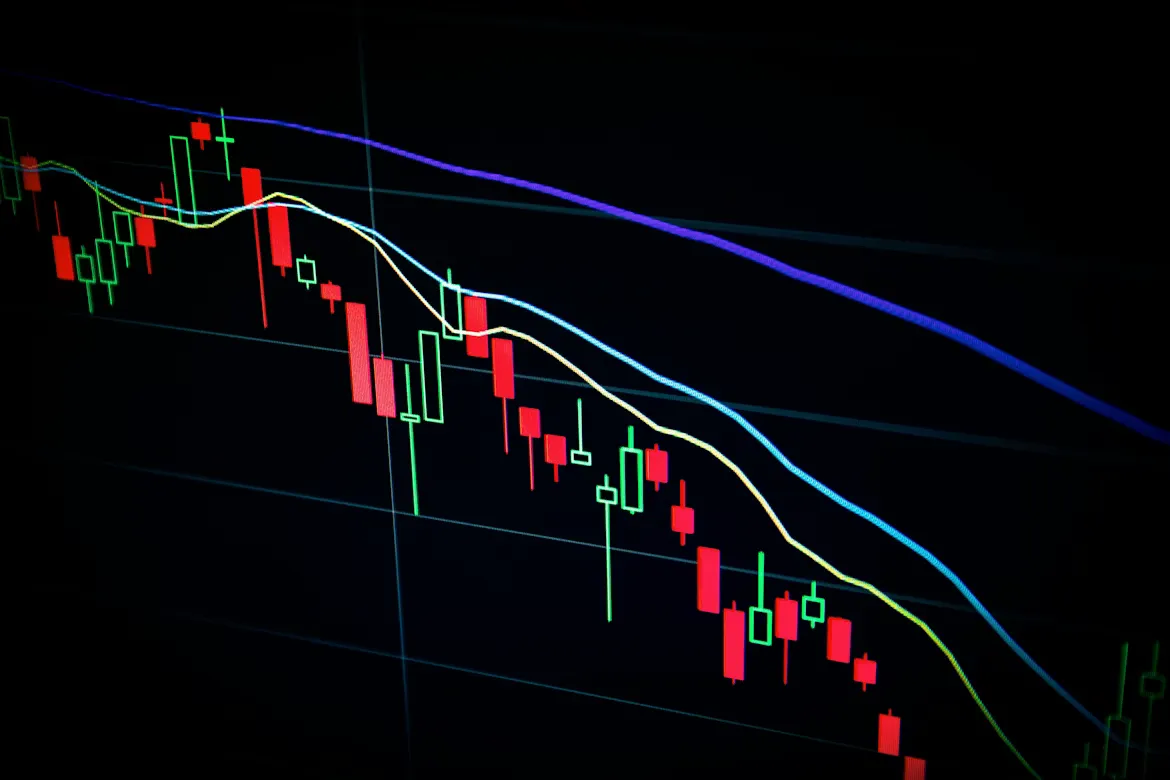
A pip (percentage in point or price interest point) is simply the smallest standard price change in forex trading. Think of it as the basic unit of measurement for currency movement.
In plain terms:
- For most currency pairs: A pip is the fourth decimal place (0.0001)
- For pairs with Japanese Yen: A pip is the second decimal place (0.01)
- Many brokers now show a fifth decimal place (called a “pipette” or “fractional pip”)
How Pips Look in Real Trading
Let’s break this down with some real examples:
| Currency Pair | Current Price | After 1 Pip Move Up |
|---|---|---|
| EUR/USD | 1.2000 | 1.2001 |
| USD/JPY | 110.00 | 110.01 |
| GBP/USD | 1.3750 | 1.3751 |
When someone says “EUR/USD moved 5 pips,” they mean the price changed by 0.0005 (five ticks in the fourth decimal place).
Why Pips Matter to Your Trading
Pips aren’t just forex jargon – they’re practical tools for your everyday trading:
- Measuring market moves – Instead of saying “EUR/USD went from 1.2010 to 1.2030,” traders simply say “EUR/USD moved 20 pips”
- Calculating your profits/losses – Your trading platform might show P/L in dollars, but knowing the pip movement helps you understand the market action behind those numbers
- Setting stop losses – “I’ll set my stop 30 pips below entry” is much more practical than working with the full decimal prices
- Sizing your positions – Knowing how much each pip is worth helps you decide how big your trade should be
How Much Money is a Pip Worth?
This is where things get interesting. A pip’s cash value depends on:
- Which currency pair you’re trading
- How big your position is (lot size)
- Your account’s base currency
Quick Examples (Trading 1 Standard Lot = 100,000 units):
- EUR/USD at 1.2000
Each pip = about $10 - USD/JPY at 110.00
Each pip = about $9.09 - GBP/USD at 1.3750
Each pip = about $10
Trading mini lots (10,000 units)? Divide these values by 10.
Trading micro lots (1,000 units)? Divide by 100.
Calculating Your Profits and Losses with Pips
Here’s the no-nonsense way to figure out how much you’ve made or lost:
- Find how many pips you’ve gained or lost
- Multiply by the pip value for your position size
Example:
You buy 1 mini lot (10,000 units) of EUR/USD at 1.2000 and sell at 1.2040.
- Pip movement: 40 pips
- Pip value for mini lot: $1 per pip
- Your profit: 40 pips × $1 = $40
Pips and Smart Risk Management
Successful traders think in pips when managing risk:
Stop-Loss Example:
If you’re willing to risk $50 on a trade with a mini lot of EUR/USD ($1 per pip), you could set your stop-loss 50 pips away from your entry.
Risk-Reward Example:
If you’re risking 20 pips on a trade, you might aim for a 60 pip target (1:3 risk-reward ratio).
Practical Pip Knowledge for Different Trading Styles
Your trading style affects how you think about pips:
Scalpers: Hunt for 5-15 pips per trade, often making multiple trades per day
Day Traders: Typically aim for 20-50 pips, closing positions before the trading day ends
Swing Traders: Look for bigger moves of 100+ pips over several days or weeks
Position Traders: Might capture 1000+ pips on trades lasting months
Watch Out for These Pip Mistakes
Many traders mess up with pips in these ways:
- Forgetting the spread – If the EUR/USD spread is 2 pips, you’re already down 2 pips the moment you enter a trade
- Ignoring pip value differences – A 20-pip move in EUR/JPY isn’t worth the same as 20 pips in USD/CAD
- Chasing tiny moves – Just because you can see the fifth decimal place doesn’t mean you should trade every tiny wiggle
- Overlooking overnight swap costs – These can eat into your pip profits on trades held overnight
Handy Tools for Pip Math
Nobody wants to do pip calculations manually all day. Use these tools:
- Pip calculators (available on most broker websites)
- Your trading platform (most show pip values automatically)
- Position size calculators (to figure out how many lots to trade based on your risk in pips)
Pips as Your Trading Language
Getting comfortable with pips is like learning the alphabet of forex trading. Once you grasp pips, you’ll:
- Talk the same language as other forex traders
- Size your trades more accurately
- Set more precise targets and stops
- Better understand your trading results
Most importantly, thinking in pips helps you focus on price movements rather than just dollar amounts – making you a more technically sound trader.
Remember that pip knowledge is useful but not a substitute for a solid trading strategy. Use pips as a tool within your broader approach to markets.